


25 FREQUENTLY ASKED QUESTIONS ABOUT MATCHA
This page covers the most common questions we received about matcha through out the years!
Matcha is a variety of green tea characterized by its finely ground powder, which is produced from specially cultivated and processed green tea leaves.
It is often regarded as a more potent iteration of traditionally brewed green tea since it involves consuming the entire tea leaf, which has been meticulously ground into a fine powder, rather than steeping and removing a tea bag.
Matcha holds a special place in centuries-old Japanese tea ceremonies, and its delightful flavor and benefits continue to captivate many tea enthusiasts today. To prepare matcha, the powder is whisked vigorously in a bowl with hot water, resulting in a frothy, vibrant green, and nourishing beverage.

While green tea is cultivated in numerous regions worldwide, Japan stands out for its production of the highest-quality matcha. In the 7th century, China introduced tea to Japan, setting in motion the development of a distinct tea culture that ultimately gave rise to matcha. Furthermore, Japan boasts some of the most rigorous farming regulations globally, ensuring the exceptional quality of its tea
Matcha is widely believed to offer numerous benefits, including being a potent source of antioxidants, a metabolism enhancer, and having the potential to increase endurance and enhance focus. For further insights, please review the following article .
In general, matcha graded as 'culinary' represents a more budget-friendly variant of matcha powder. Culinary matcha is of lower quality, characterized by a dull color, unpleasant aroma and flavor, and its production costs are also relatively low which contributes to its affordability.
Conversely, matcha graded as 'ceremonial' is of higher quality, displaying a vibrant jade-green color, a richer aroma, and a pleasant flavor, among other desirable attributes. Please watch this video to learn more.
Thin (usucha) matcha is when tea is brewed with more water and less powder, and it is the most common method of preparing matcha. The vigorous whisking at the end results in the creation of the popular frothy layer on the surface.
On the other hand, thick matcha (koicha) achieves its rich viscosity through a gentle process of massaging the tea with a bamboo whisk while slowly pouring in the water until the desired thickness is achieved. Thick tea requires approximately three times the amount of powder compared to the more popular thin tea preparation. Watch this video for a demonstration.
Producing high-quality matcha is truly an art! It is a labor intensive process that is influenced by many factors. Food grade, or culinary matcha, is relatively inexpensive. The price goes up when choosing high-grade matcha powders that are appropriate for tea ceremonies. This video sheds light on why ceremonial matcha can be relatively expensive.
The flavor greatly depends on the quality of the matcha you are drinking. Excellent quality matcha should offer vegetal, grassy notes, subtle sweet nuttiness, and, if present, pleasant bitter undertones.
There are many brands and different types of matcha green tea; how do I choose the right matcha powder?
To truly enjoy matcha, you need to be able to identify excellent quality. Details to pay attention to when making your selection are price range, packaging, origin, color, odor, and finish.
Please read this article or watch this video for more details on this topic.
While it is reassuring to know if your matcha is organically farmed and free of pesticides, it is also important to make sure that the matcha you are consuming is free of radiation and lead contamination.
At Matcha Konomi, we test our matcha to confirm absence of radiation or lead contamination, and the results are available to the public.
Latest testing results are in the images section of each product.
Organic matcha is not necessarily better than conventional matcha. In fact, with non-organic ceremonial matcha, there is a potential of reaching a higher umami profile, a sweeter taste, and a more vibrant jade green color.
The reason for this is that the most robust and sweetest-tasting leaves will attract more bugs, and it is extremely challenging for them to survive without the application of pesticides, which is strictly regulated in Japan.
Our conventional ceremonial matcha variety is called Amaya Matcha.
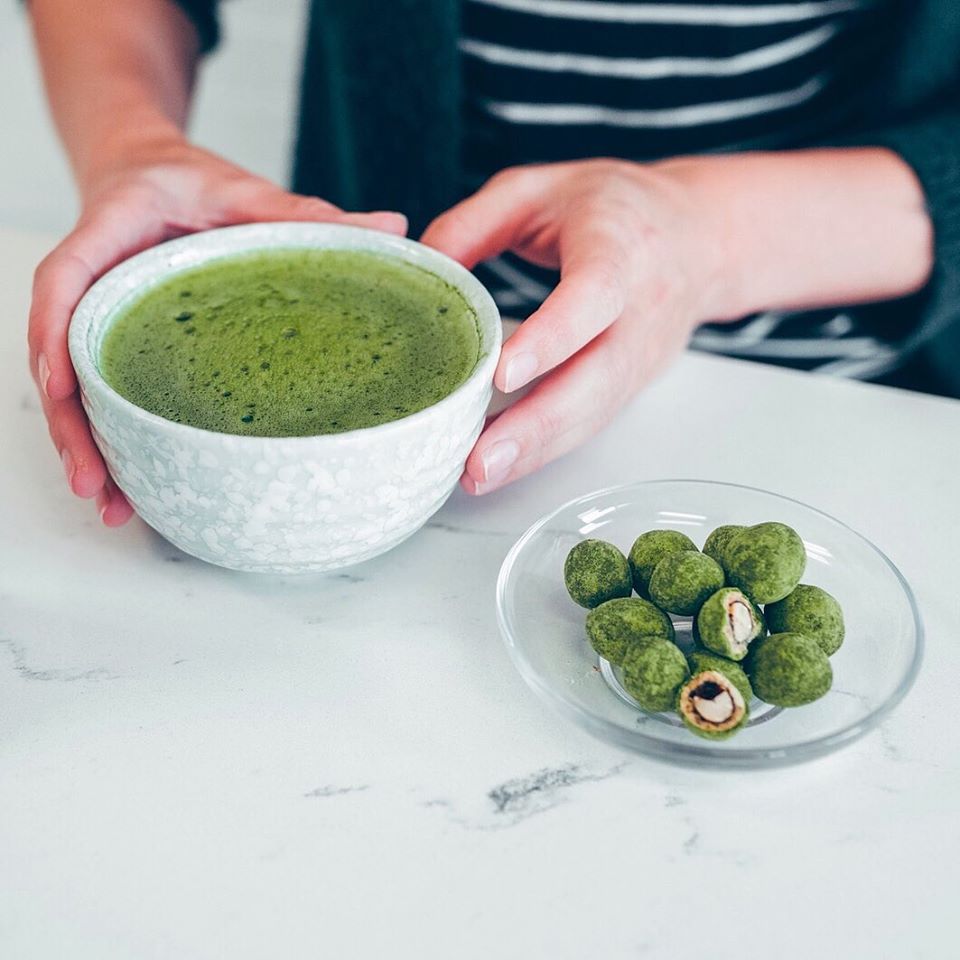
12. How do you prepare matcha?
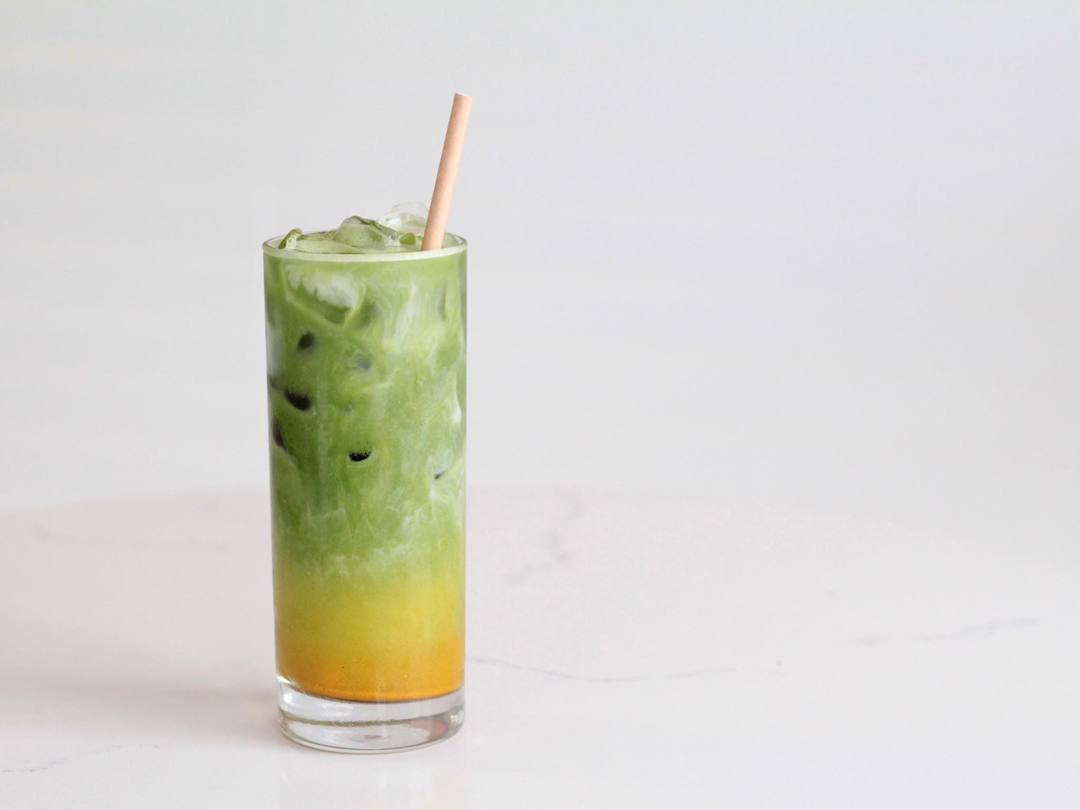
13. How do you prepare matcha latte?
There are different types of matcha latte you can prepare easily at home.
Click on any of the items below for the recipe:
Matcha may have an excessively bitter taste if it is of low quality or if it is prepared incorrectly. Excellent quality matcha must have a balanced flavor
That being said, it's important not to mistake bitterness for a robust green tea flavor. In fact, matcha with a stronger green tea flavor is preferred when you are blending the powder with various additional ingredients that might overpower the matcha's taste, such as in sweetened lattes, smoothies, baking, and desserts, among others.
Oishi Matcha is one of the varieties we offer, known for its pronounced green tea flavor, making it an excellent choice for these applications. Conversely, if you plan to enjoy matcha as an unsweetened or lightly sweetened latte, or as a simple tea with just water, we recommend selecting one a ceremonial variety.
Learn more about our different matcha varieties by clicking here.
This could be due to not whisking the matcha thoroughly, or due to not using enough matcha powder for the amount of water.
Achieving a beautifully frothy layer through proper whisking may require some practice, so don't be discouraged if it doesn't happen right away!
Some matcha tea varieties will need to be sifted before preparation, and that should reduce the formation of clumps.
Please note that our Akira Matcha and Oishi Matcha do not need any sifting if you are whisking them properly.
If the water is too hot, it will alter the overall flavor and aftertaste of matcha, and the tea could loose its umami. The optimal temperature is 160-170°F.
The standard serving size is ½ teaspoon, which is roughly equivalent to 1g. While many individuals may prefer more than ½ teaspoon, we always advise starting with the regular serving size to ensure you can tolerate and savor matcha.
Matcha contains considerably less caffeine than coffee, but its caffeine is thought to be absorbed gradually by the body, and the stimulating effect of caffeine is also believed to be balanced by the relaxing influence of L-theanine.
This combination of caffeine and L-theanine is famously thought to result in a sustained energy that can last for up to 4-6 hours, with a reduced risk of jitteriness.
Matcha should be consumed within 12-14 months from grinding, assuming it was properly stored in a cool and dark environment, away from heat, light, and humidity.
Once package is opened, it should be consumed within 1-2 months, and continued to be stored properly (preferably by refrigeration).
It's essential to handle your matcha with care since its color and quality can deteriorate when exposed to various environmental factors. Matcha green tea is sensitive to heat, humidity, and light.
As mentioned earlier, once the package is opened, it's best to consume the matcha within 1-2 months. After opening your matcha, be sure to seal the lid or bag tightly after each use and store it in the refrigerator. If you transfer it to a different container, avoid using glass jars that allow light to penetrate. Please be aware that failing to seal your matcha container properly may result in the flavor being influenced by other items in your fridge.
If you need to store matcha for an extended period, it can be kept in the freezer. To prevent frozen matcha from becoming moist when exposed to air, it should be allowed to thaw to room temperature before opening the package. The same applies to refrigerated matcha; ideally, it should return to room temperature before use
Matcha is also rich in the amino acid L-theanine. L-theanine is believed to promote alpha waves in the brain[1], and possibly raise the levels of Dopamine, Serotonin and GABA[2], and those are neurotransmitters that play a very important role in determining mood and mental state.
This is the reason why L-theanine is believed to have the ability to reduce stress[3], boost mood, and get you closer to that sense of cognitive synergy. The combined effect of L-theanine and caffeine is possibly responsible for what is described as the "calming focus" by matcha drinkers.[4]
Creating matcha is a delicate and labor-intensive art, with the quality of the final powder significantly influenced by factors such as soil quality, climate, and the skill of the farmers involved. To provide you with a visual insight into the process, we have created a video that showcases the various steps involved in creating matcha:
Sencha and matcha are derived from the same plant (camellia sinensis), but there are many differences.
Unlike matcha, sencha is a loose leaf tea not a powder, it is produced from leaves that were not shade grown for 3 weeks prior to harvest, and sencha leaves are rolled after drying instead of being destemmed and deveined like matcha.
Konacha is made up of the dust and bits of leaves and buds that are left behind after the processing of sencha.
Thank you for reading this article. If you have any other questions about matcha, please write them in the comment section and we will be happy to answer them!
Disclosure: The statements mentioned above have not been evaluated by the Food and Drug Administration. This product is not intended to diagnose, treat, cure, or prevent any disease.
Leave a comment
All comments are moderated before being published.
This site is protected by hCaptcha and the hCaptcha Privacy Policy and Terms of Service apply.