

Knowing what Matcha to buy and differentiating excellent from poor quality Matcha can be overwhelming and frankly a little intimidating when you're first getting started. With that said, this article aims to help you figure out how to get started on your Matcha journey, and avoid any of those common mistakes made when buying Matcha for the first time.
We don’t want to bore you with a long article, so we will make this short and sweet. Please note that this article is referring to Matcha powder for the purpose of drinking, sipping, and creating high-end food items, particularly desserts.
____________________
To get started, you first need to make sure you are buying a “Ceremonial Grade” or a "Tea Ceremony grade" powder. You must also pay attention to the origin of the Matcha powder, as the best quality “Ceremonial” Matcha comes from Japan. Just like wine, the taste and flavor of Matcha is greatly influenced by the climate and soil of where it was produced. Another factor you might want to take into consideration is the distance of the producing region from Fukushima (site of the nuclear disaster in 2011) and Shizuoka (where above permitted levels of radioactive cesium were detected in dried leaves in 2011, according to New York Post), and that is the reason we prefer Yame and Uji areas. Nishio is known for production of excellent quality Matcha powder, but it's in very close proximity to Shizuoka. (Click here to learn more about radiation and Matcha)
Next is to pay attention to price. Excellent quality “Ceremonial” Matcha is by no means cheap, and typically comes with a price tag between $20-$35 for a 30g tin. Growing and producing high quality Matcha, particularly when it is organic, is a delicate and labor intensive art that is also time consuming. Anything below or above that price range is questionable, and you should do more research before you purchase. It is also helpful to take the time and research the seller; you should look for a company that truly cares about providing the highest quality Matcha. Don't be fooled by “fancy” packaging.
After your purchase, the most fun part is the first time you pull back that seal and experience your new Matcha powder. It's truly a magical experience when Matcha produces a faint green cloud, or a wisp of powder, and bring you an immediate sense of excitement. Additionally, excellent quality Matcha will have a subtle sweet aroma that is noticeable immediately after opening.
____________________
Now as you prepare your cup/bowl of Matcha, pay attention to the following features:
Color
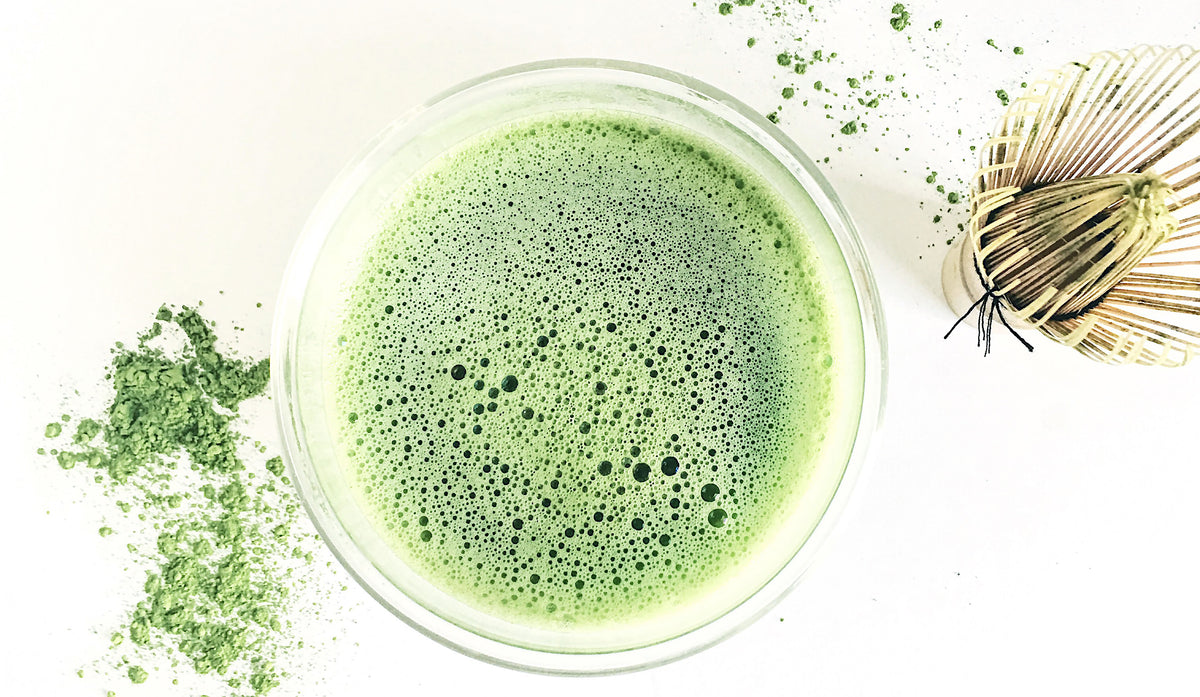
Excellent quality Matcha should have a vibrant jade green color. Lesser quality Matcha will have a dull green color, sometimes with a yellowish tint, that is likely due to the insufficient shading prior to harvest, or improper de-stemming of the dried leaves prior to grounding.
Whisk
Low quality Matcha will not froth as beautifully as excellent quality Matcha. You must be able to create a dreamy layer of frothiness without any lumps.
Taste
Excellent quality Matcha has a natural sweet taste with only subtle bitterness that is comparable to that of dark chocolate. Inferior quality Matcha will have a harsh bitter taste that can sometimes be even muddy and grass-like.
Finish
Unlike lower quality Matcha, high quality powder will have a long delicious finish that must literally make you crave the next sip.
We hope this helps. Please share your journey with us in the comments section, and let us know what you love most about your Matcha!
_______________
Don't miss the next video, delicious recipe, matcha article, or pop-up location! Follow us on the following:
Instagram
Facebook
YouTube
Pinterest

Leave a comment
All comments are moderated before being published.
This site is protected by hCaptcha and the hCaptcha Privacy Policy and Terms of Service apply.